
High-Traction Floor Wax & Anti-Slip Commercial Coatings
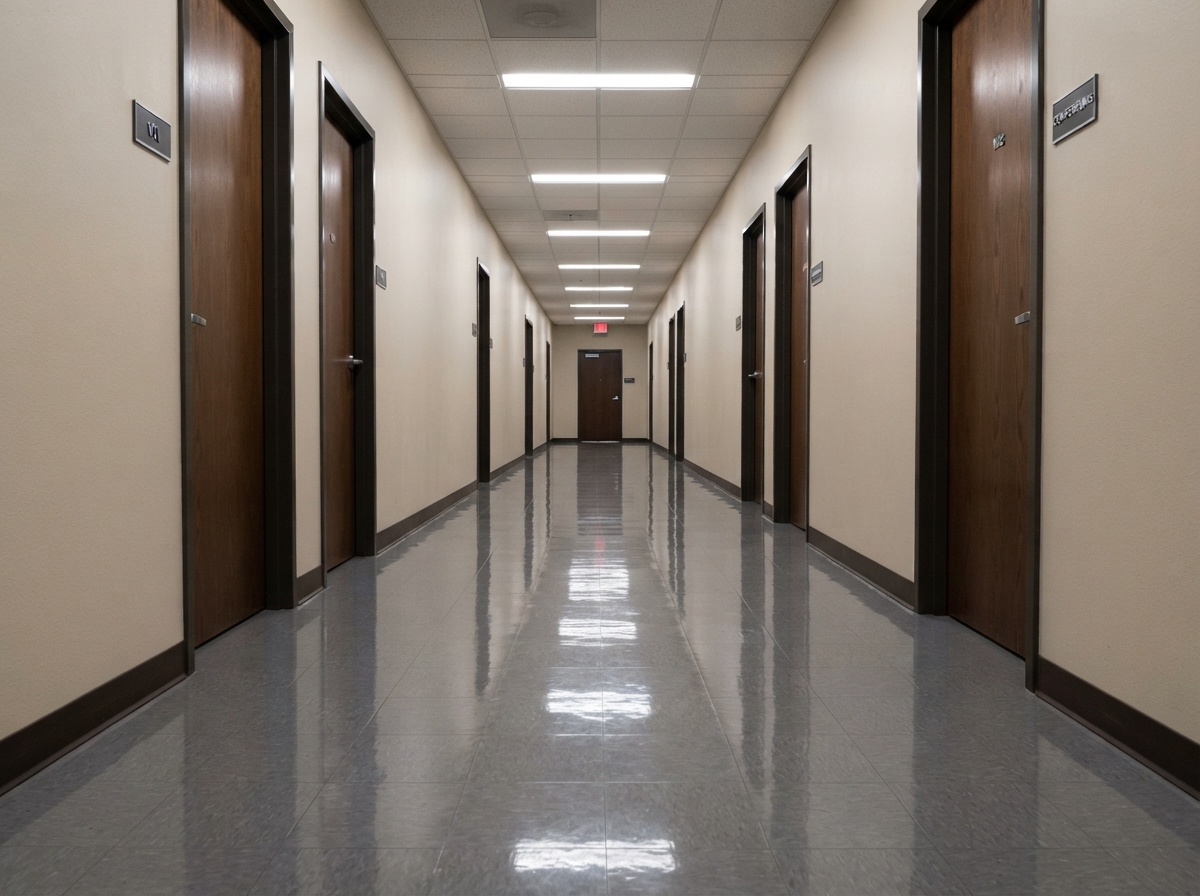
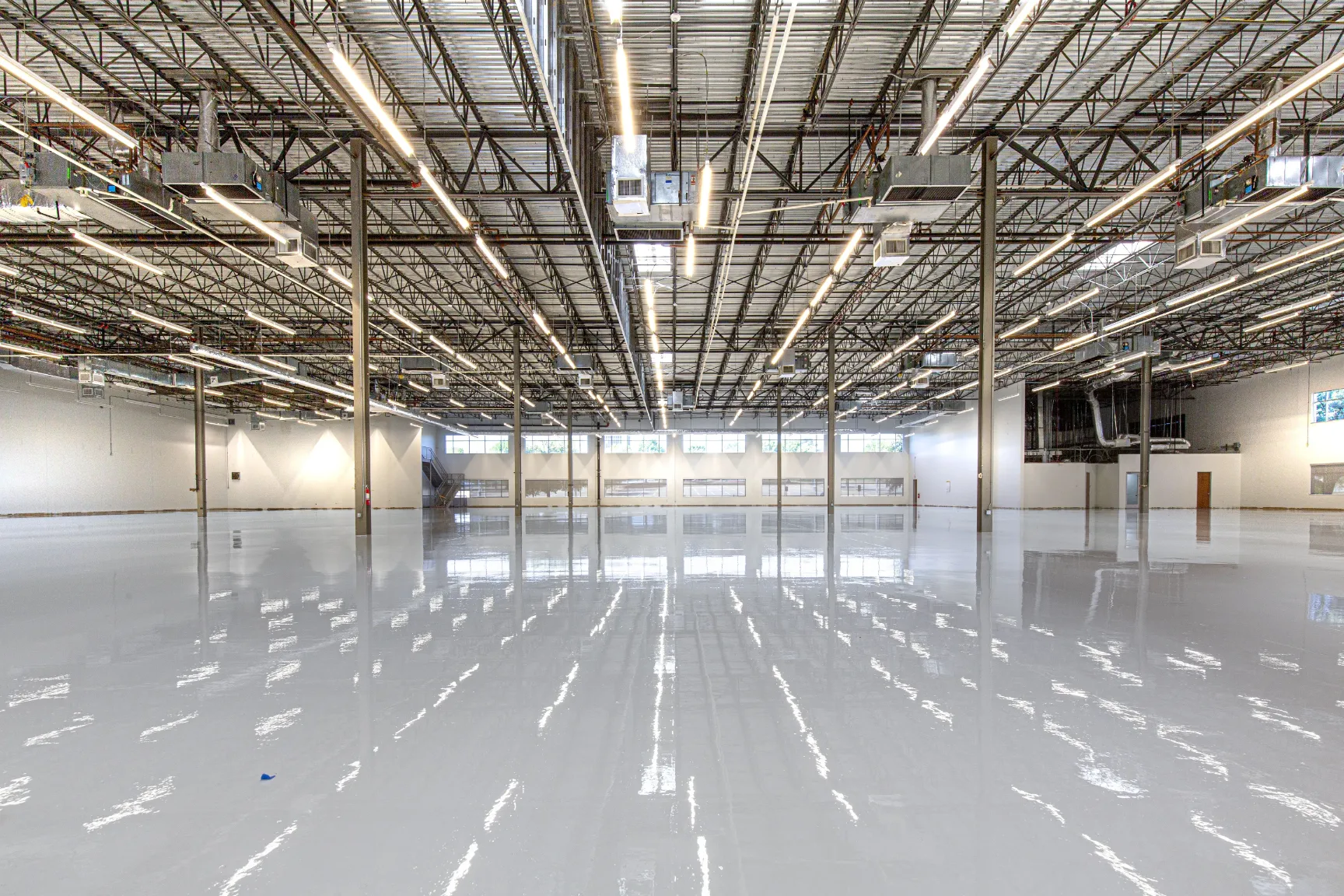
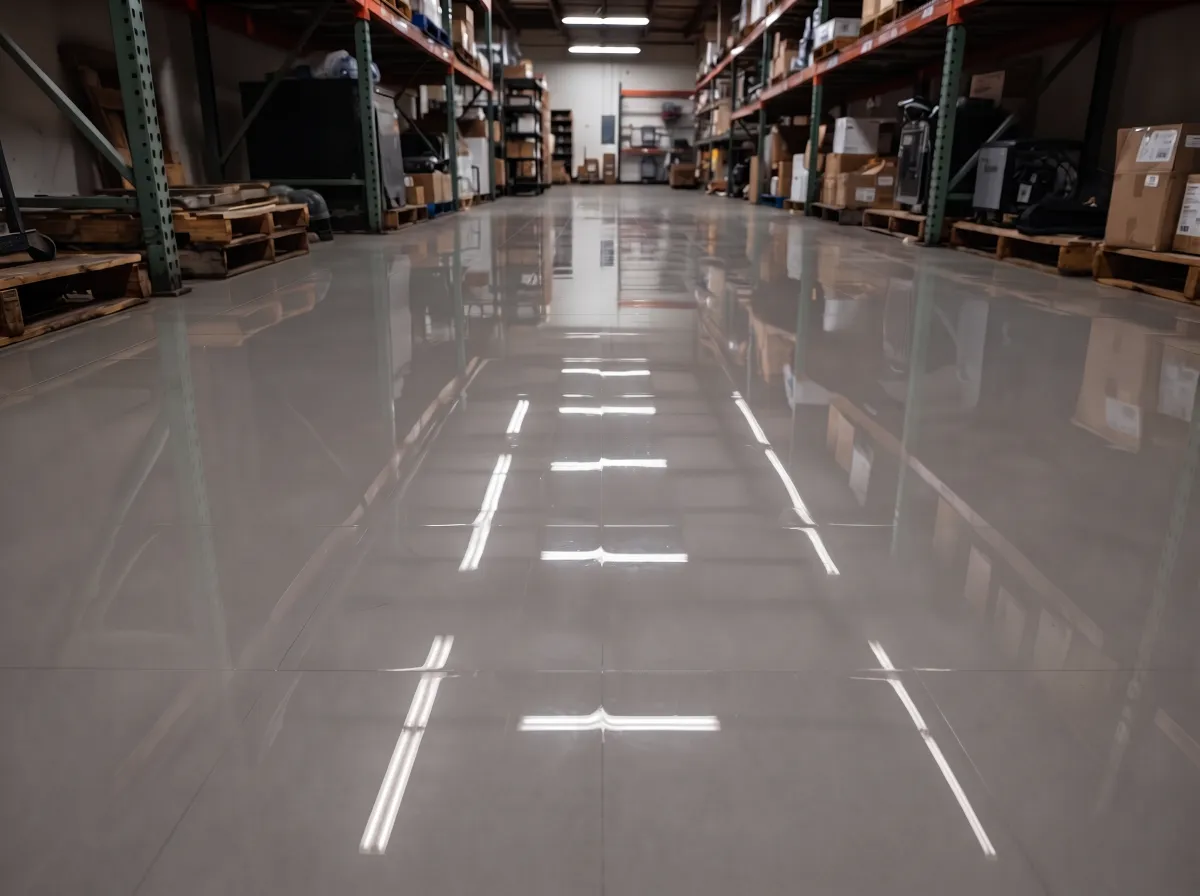
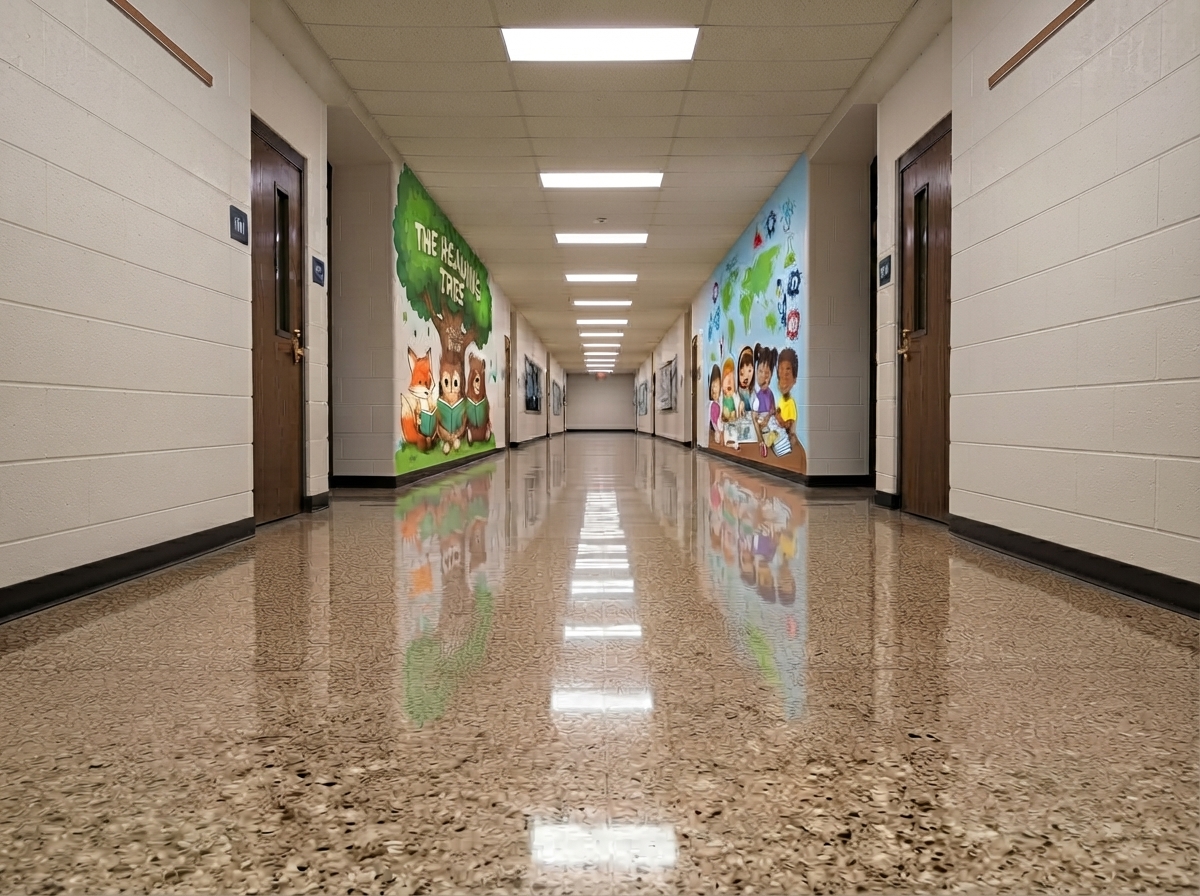
Engineered polymer finishing systems designed to maximize wet coefficient of friction, mitigate slip-and-fall liabilities, and preserve optical clarity across commercial cafeterias, public lobbies, healthcare wings, and retail corridors.
Strictly B2B commercial, institutional, and industrial facilities. Residential accounts not serviced.
Request an On-Site Commercial Floor Slip-Resistance Evaluation
Facility risk officers and operations managers rely on our NFSI-tested high-traction sealers to ensure wet walkway compliance without creating hazy, hard-to-clean floor surfaces.
Traction & DCOF Audit
Request an on-site commercial floor slip-resistance evaluation.
Liability at the Ground Level: The High Cost of Poor Traction
Grease tracked out of commercial kitchens onto vinyl composition tile (VCT). Condensation forming on sealed concrete during severe New England humidity shifts. Melted snow pooling near high-traffic supermarket produce aisles. These are not minor maintenance issues; they are immediate, quantifiable liability risks. When a pedestrian or worker falls due to inadequate floor traction, the resulting workers' compensation claims, slip-and-fall litigation, and OSHA penalties directly impact the facility’s bottom line.
Standard commercial floor finishes prioritize high-gloss visual aesthetics over functional safety. A standard acrylic wax, when wet, becomes a microscopic hydroplaning surface. Facility managers overseeing demanding environments—institutional cafeterias, busy public lobbies, manufacturing locker rooms, or high-volume retail spaces—cannot rely on standard off-the-shelf floor wax to mitigate slip hazards.
The engineering solution relies on specialized high-traction floor wax and slip-resistant commercial floor coatings. These engineered polymer finishes maintain high optical clarity and ease of cleaning while dramatically altering the friction coefficient of the floor under wet or contaminated conditions. We design and install high-DCOF (Dynamic Coefficient of Friction) floor systems across commercial spaces in Boston, Providence, Stamford, and Hartford to actively mitigate slip-and-fall liability.
Kitchen Grease Runoff
Animal fats and cooking oils emulsify standard waxes, producing zero-traction grease slicks along transitional doorways.
Winter Slush Tracking
Melted salt and snow dragged into retail vestibules transform smooth commercial tile into uncontrolled hydroplaning zones.
Humidity Condensation
Sweating concrete and VCT in non-climate-controlled logistics bays generate invisible micro-condensation layers.
Engineering Traction: SCOF vs. DCOF Standards
To understand commercial floor safety, you must move past outdated testing metrics. Historically, the industry relied on SCOF (Static Coefficient of Friction), which measures the force required to start an object moving from a dead stop. This standard is largely obsolete for slip-and-fall analysis because pedestrians are already in motion when they slip.
Modern safety protocols, including those referenced by the American National Standards Institute (ANSI) and the National Floor Safety Institute (NFSI), utilize DCOF (Dynamic Coefficient of Friction). DCOF measures the friction of a surface while an object (or person) is actively moving across it, specifically under wet conditions.
The ANSI/NFSI B101.3 standard establishes a wet DCOF target of >= 0.42 for level commercial walking surfaces. Standard floor finishes routinely fail this metric when exposed to standing water, tracked-in winter slush, or kitchen grease. Our high-traction floor wax systems are chemically engineered to meet or exceed this >= 0.42 threshold, providing verifiable, documented traction resistance that supports OSHA compliance and directly counters liability claims.
Static Coefficient (SCOF)
Calculates resistance to initiate motion from rest. Fails to simulate realistic gait dynamics, heel strike momentum, or continuous wet-surface hydroplaning.
Dynamic Coefficient (DCOF ≥ 0.42)
Evaluates slip resistance during continuous kinetic motion across a wet plane. Establishes legal compliance and verifiable floor safety records.
Formulating High-Traction Floor Finishes
Creating a slip-resistant surface without creating a maintenance nightmare requires precise chemical formulations. If a floor coating is too abrasive, it acts like sandpaper, instantly tearing apart mop heads and trapping dirt so aggressively that routine janitorial cleaning becomes impossible.
Our application protocols balance maximum wet traction with daily maintainability by utilizing specialized polymer matrices.
High-Polymer Solids Systems
For general high-traffic commercial spaces—such as institutional cafeterias and large retail lobbies—we deploy high-solids polymer finishes. These formulations contain a higher percentage of raw polymer chains compared to standard waxes. When cured, this dense polymer network creates a microscopic, rubberized surface tension. To the naked eye, the floor remains highly reflective, but beneath a shoe tread, the surface actively resists hydroplaning when wet.
Micro-Textured Anti-Slip Coatings
For extreme risk zones—commercial kitchens, manufacturing locker rooms subject to constant moisture, or supermarket deli aisles exposed to continuous spills—we utilize micro-textured systems. These specialized anti-slip floor finishes incorporate microscopic aggregate compounds directly into the finish chemistry. This creates a fine, uniform texture across the floor’s surface. It provides maximum grip in heavy grease or water environments while remaining chemically resistant to the harsh degreasers used in daily janitorial maintenance.
The Installation Protocol
Applying a high-traction finish over a compromised base layer guarantees failure. The new coating will simply peel, flake, or trap dirt if the substrate is not surgically prepped.
Phase 1: Complete Chemical Stripping and Substrate Isolation
We begin by mechanically and chemically isolating the raw substrate. We deploy heavy swing machines equipped with aggressive stripping pads and high-alkaline strippers to break down all existing acrylic waxes, factory seals, and trapped contaminants. The resulting slurry is heavily extracted using high-powered wet vac systems. Any residual chemical leaves the new high-traction coating vulnerable to delamination, so we execute multiple clean-water neutralization rinses to return the floor to a neutral pH.
Phase 2: Base Coat Anchoring
To ensure the high-traction topcoats bond permanently, we apply a specialized penetrating base sealer. This sealer is formulated to dive into the microscopic pores of the VCT, concrete, or terrazzo, creating a monolithic anchor point. This prevents the topcoats from shifting or fracturing under heavy rolling loads or intense foot traffic.
Phase 3: Controlled Layer Application
The high-traction floor wax or micro-textured coating is applied using clean, specialized microfiber application systems. This prevents the lint contamination common with traditional string mops. We build the barrier in precise, thin layers. Thin application is critical; it ensures complete off-gassing and a hard cure. Heavy, rushed coats trap moisture, leading to a soft, cloudy finish that loses its slip-resistant properties within weeks.
We monitor curing times meticulously between coats, compensating for localized humidity and HVAC airflow variations, ensuring the final DCOF rating performs exactly as engineered.
Book Friction Audit & Facility Walkthrough
Do not wait for a slip-and-fall incident to address your facility’s floor traction. Proactive maintenance is significantly cheaper than reactive litigation and rising insurance premiums. Ensure your high-traffic zones meet modern DCOF safety standards.
Contact our direct dispatch line at (401) 336-6117 to schedule a professional evaluation of your commercial flooring surfaces.
Strictly B2B commercial, institutional, and industrial facilities. Residential accounts not serviced.