
Post-Construction Floor Stripping & Commercial Prep
Expert factory coating removal, deep drywall slurry extraction, pH neutralization, and multi-coat high-solids sealing designed for general contractors, commercial developers, and tenant fit-outs across Massachusetts, Rhode Island, and Connecticut.
General contractors and commercial developer inquiries only. Minimum commercial square footage rules apply.
Book a Rapid On-Site Punch List Walkthrough & Floor Prep Quote
Meet your Certificate of Occupancy deadlines without floor punch-list re-inspections. We remove stubborn drywall mud, paint overspray, and mill-oil coatings on tight handover deadlines.
GC Turnover Assessment
Book a rapid on-site punch list walkthrough and floor prep quote.
The Reality of Turnover: Factory Coatings and Ground-In Contaminants
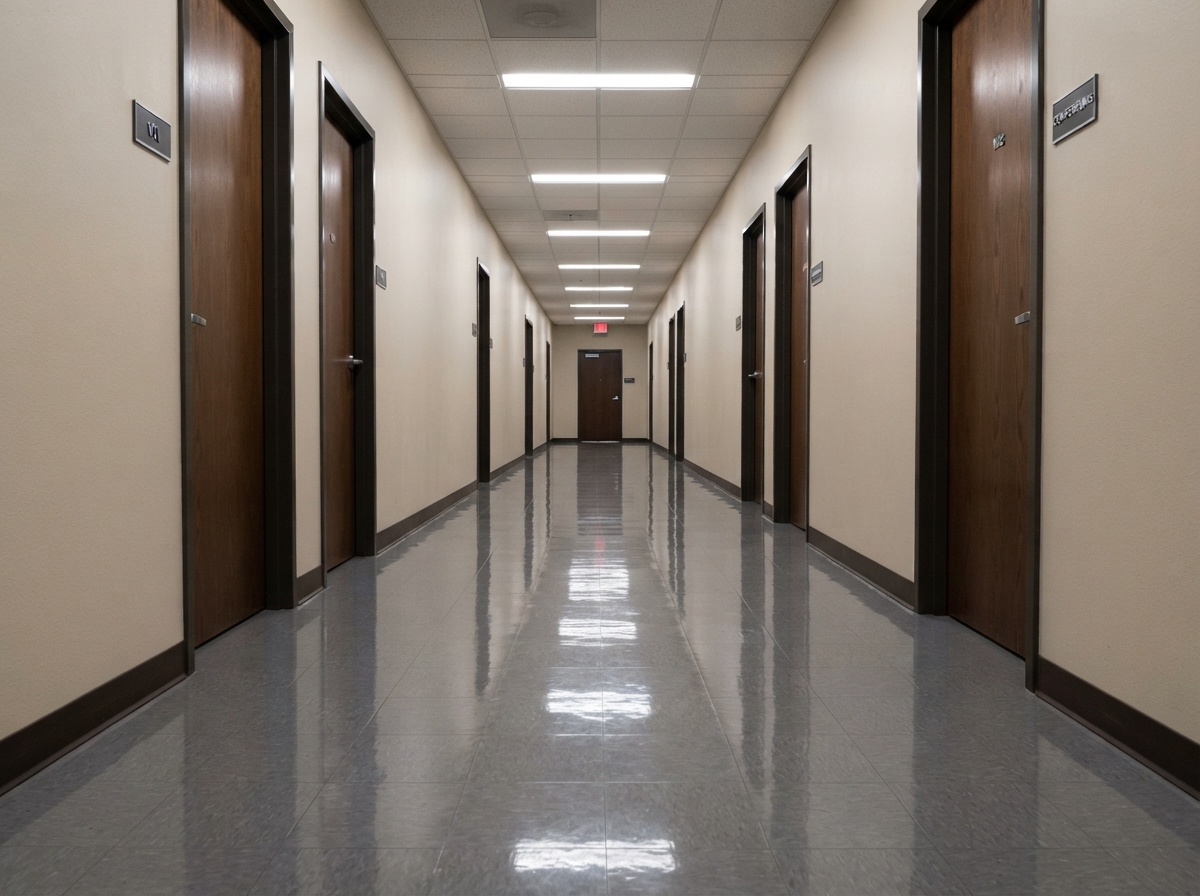
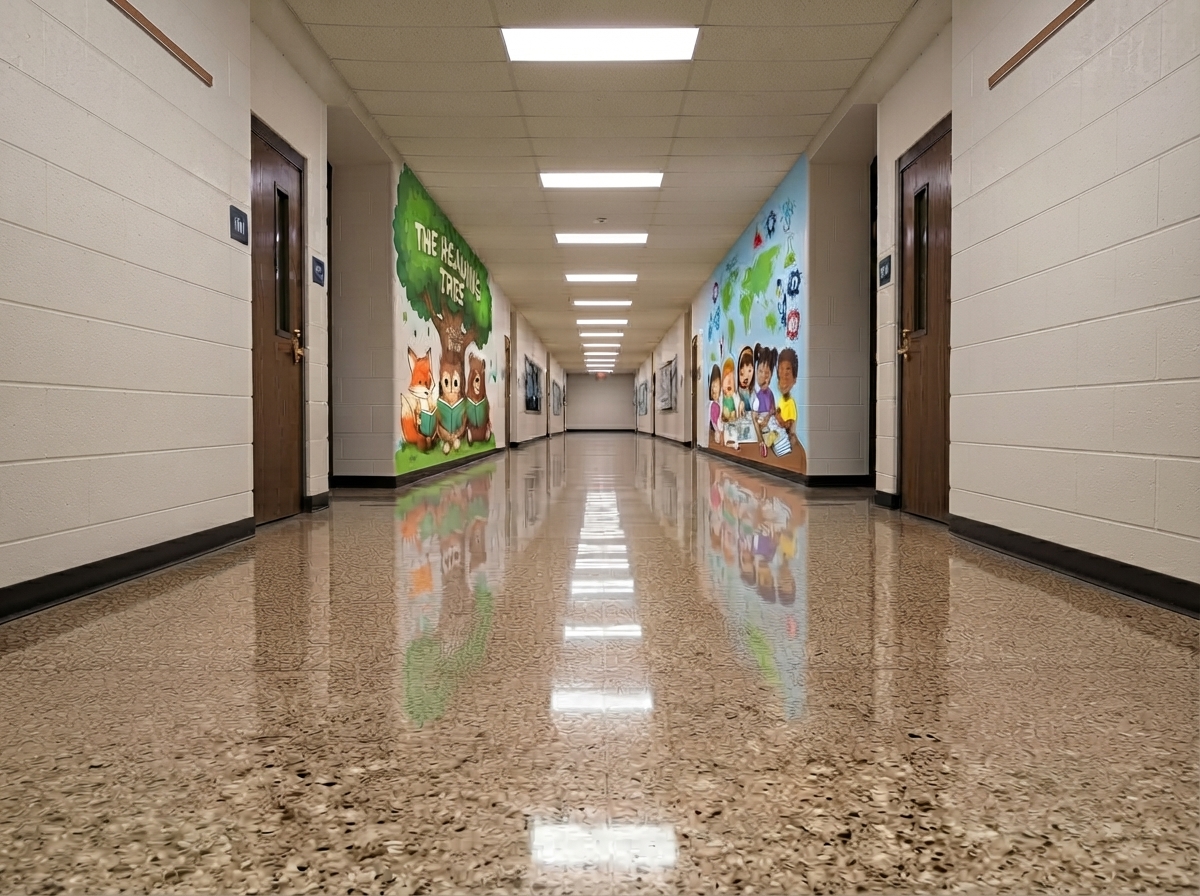
Freshly laid Vinyl Composition Tile (VCT) is not ready for commercial traffic the moment the flooring sub-contractor leaves the site. New VCT is shipped with a temporary factory coating—a thin, low-grade acrylic film designed strictly to protect the tile from scratches during transit and initial installation. Once laid in an active construction zone, this sacrificial coating acts as a magnet for every contaminant on the job site. Scissor lift tires, heavy work boots, and dropped tools grind drywall dust, mortar haze, joint compound, and paint splatter directly into this temporary layer.
By the time the tenant fit-out or warehouse rebuild nears the final punch list, the new flooring looks dull, scratched, and heavily soiled. Standard janitorial crews attempting construction turnover floor cleaning often make the situation worse. Running a standard floor scrubber or damp mop over the surface simply pushes highly alkaline drywall dust around, cementing it into the factory coating.
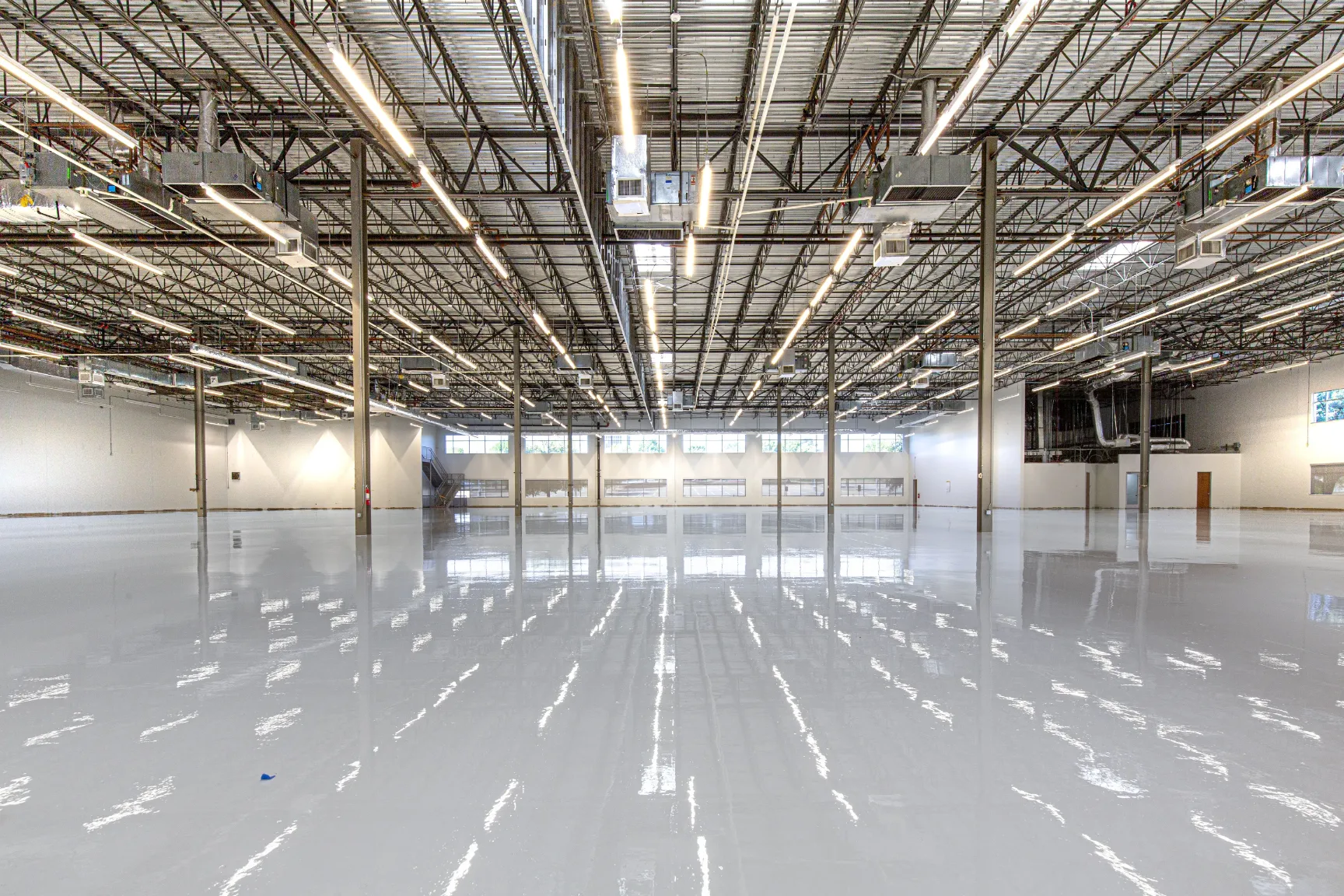
To achieve a pristine, highly reflective surface capable of passing final inspections, the floor must undergo immediate mechanical prep. Post-construction floor stripping is a highly technical workflow that requires heavy abrasive action to completely eradicate the factory coating, extract the embedded construction debris, and prepare the raw substrate to accept a permanent commercial floor sealing system.
Temporary Factory Acrylic
Manufacturer-applied transit films possess zero commercial durability and immediately trap airborne silica and drywall dust.
Embedded Job Site Grime
Rolling trades, paint overspray, and joint compounds grind deep into soft transit layers, resisting standard damp mops.
Final CO Inspection Risk
Cloudy, scratched, or powdering wax triggers punch-list objections from tenant reps, delaying handover signatures.
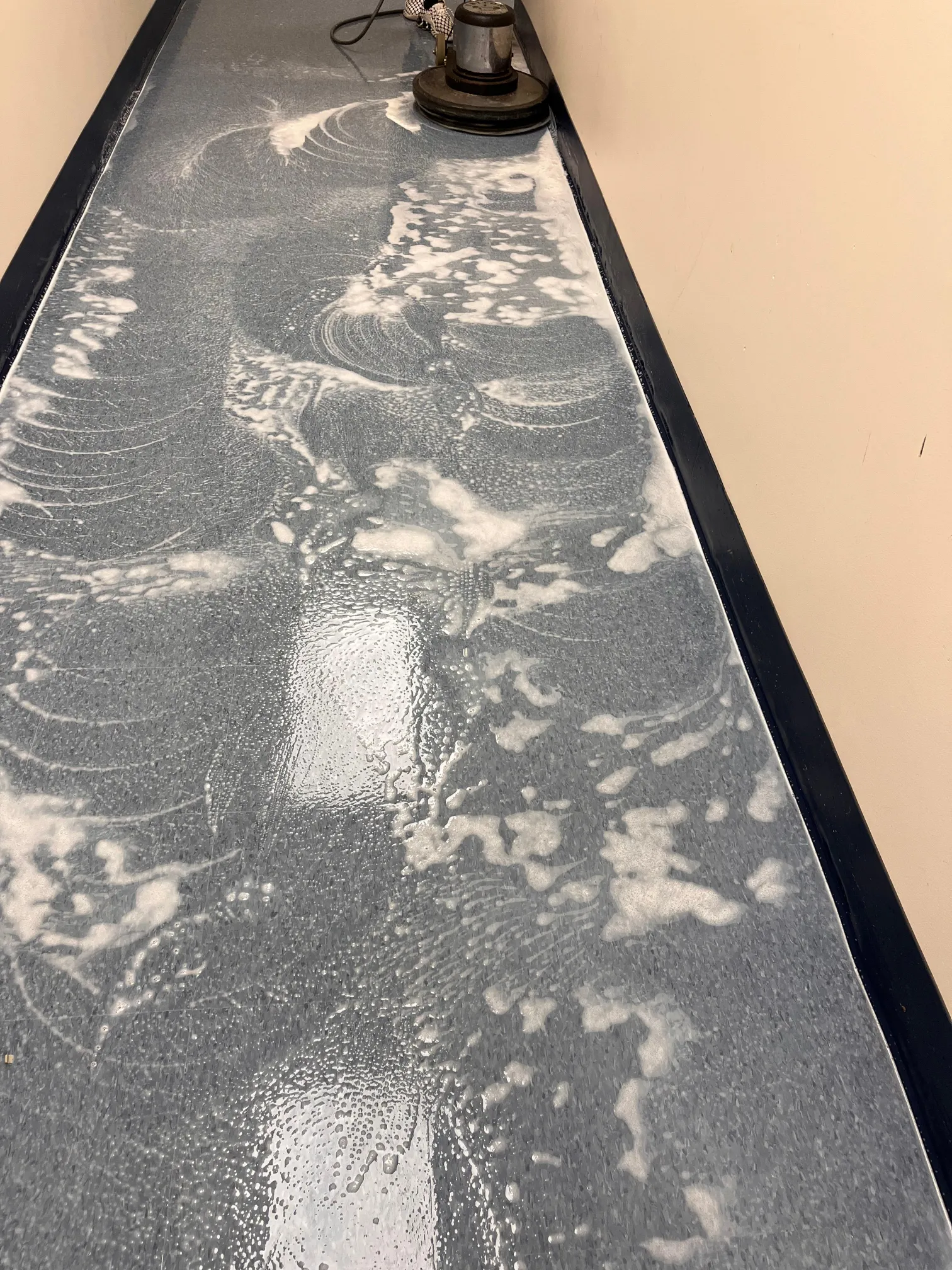
Mechanical Prep: Factory Coating Removal and Debris Extraction
Removing stubborn factory coatings requires significantly more abrasive force than standard maintenance stripping. Factory coatings are often heat-set and chemically resilient, requiring a targeted attack to break the bond with the raw vinyl without gouging the brand-new tiles.
As a specialized commercial floor seal contractor, we deploy heavy-duty swing machines and heavy rotary scrubbers equipped with aggressive black stripping pads. These coarse, open-web pads are specifically engineered to bite into hard acrylics and heavy construction debris. We flood the surface with a highly concentrated, low-foaming chemical stripper designed to emulsify both the factory acrylic and the localized paint splatters or adhesives left behind by other trades.
During the rotary scrub phase, the pads shear off the contaminated factory layer, suspending the drywall dust, mortar haze, and joint compound into a liquid slurry. This is a critical juncture in post-construction floor prep. If this slurry is allowed to dry, the construction dust will bond permanently to the raw, unprotected tile. We follow the rotary scrubbers immediately with high-powered wet-vacuum squeegee systems, executing a complete neutral slurry extraction. This removes 100% of the dissolved coatings and suspended particulate, exposing the virgin substrate beneath.
Substrate Inspection and pH Neutralization Rinses
Once the raw tile is exposed, the floor is structurally vulnerable. Before any new coatings can be applied, our technicians execute a thorough foundation underlayment inspection. We check for lifted tiles, compromised seams, or adhesive failure caused by moisture vapor transmission from the freshly poured concrete slabs common in new commercial developments. Identifying these localized failures before sealing prevents massive floor delamination issues after the tenant takes possession.
Following the visual inspection, the entire surface must undergo intense pH neutralization. Construction environments are highly alkaline. Drywall dust (calcium sulfate), setting compounds, and the stripping chemicals themselves leave behind alkaline residues. If a commercial floor sealer is applied over an alkaline surface, the polymer chains in the wax will fail to crosslink. The result is a phenomenon known as "powdering," where the brand-new finish easily scratches off in a fine white dust, or "blushing," where the wax cures with a permanent, cloudy haze.
We mitigate this chemical failure by executing deep neutral pH rinses. We apply a specialized acidic neutralizing solution across the floor, scrub it with a soft pad, and extract it completely. We repeat this clean-water extraction process until surface pH testing confirms the floor is perfectly neutralized and ready to accept the chemical bond of the new finish.
Alkaline drywall dust residues inhibit acrylic crosslinking. Floors develop immediate "powdering" (white dust scuffing under foot) or irreversible milky "blushing" within days.
Electronic pH surface testing ensures 100% neutralization (target pH 7.0) before applying the penetrating base sealers, guaranteeing permanent chemical crosslinking.
New Commercial Floor Sealing and High-Solids Application
With the substrate neutralized and bone-dry, we begin the process of building the permanent protective barrier. Post renovation tile waxing is not a single-step process; it requires a layered, engineered approach to withstand heavy commercial foot traffic and rolling loads.
Application of Multi-Coat Commercial Sealers
We start by laying down a dedicated acrylic base sealer. Unlike standard wax, floor sealers are formulated with smaller polymer molecules designed to penetrate the microscopic pores of the raw VCT. We apply two to three coats of this penetrating sealer using clean, lint-free microfiber applicator systems. This creates a monolithic, waterproof barrier that locks out future moisture and prevents dirt from ever reaching the physical tile. This base sealing process is what dictates the long-term lifespan and maintainability of the new floor.
High-Solids Wax Application
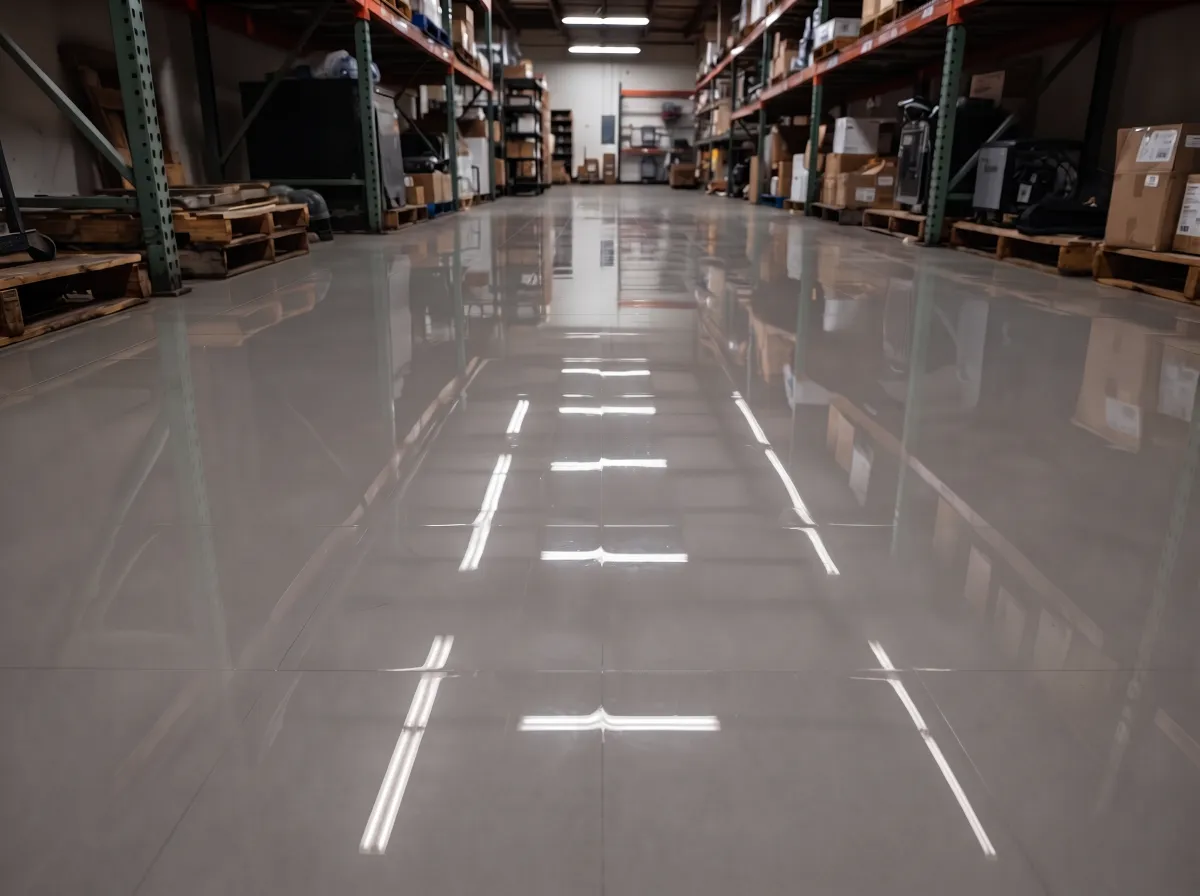
Once the foundation seal is fully cured, we execute the post renovation tile waxing phase. We apply three to four coats of a premium, high-solids floor finish. High-solids finishes contain a dense concentration of polymer resins, curing into a rock-hard, slip-resistant wear layer. We select the specific chemical formulation based on the tenant's operational requirements. For a high-traffic retail environment, we utilize a finish engineered for brilliant gloss and ultra-high-speed burnishing. For a warehouse or back-of-house logistics corridor, we apply hard-drying, scuff-resistant finishes that prioritize durability under heavy pallet jack traffic.
Each coat is applied microscopically thin and force-dried using high-velocity air movers. This prevents moisture entrapment and ensures the floor achieves a diamond-hard cure before the final handover.
General Contractor Coordination and CO Deadlines
In the final weeks of a new commercial development or tenant fit-out, the schedule is everything. General Contractors operate under immense pressure to finalize punch-list timelines and secure the Certificate of Occupancy (CO) before hard deadlines expire. Flooring prep is always the final trade in the building, and delays at this stage directly impact the tenant's move-in date and the developer's final draw.
We understand the logistical realities of high-stakes construction turnover. We do not require you to halt other final-phase trades. We specialize in off-hours night and weekend turnarounds, mobilizing heavy equipment and specialized crews after the painters, electricians, and carpenters have left the site for the day. We establish physical containment zones to protect freshly painted baseboards and new millwork from stripping slurry or chemical splashes.
Our deployment footprint covers the most active development zones in the region. We routinely execute rapid-turnaround post-construction floor stripping for massive warehouse rebuilds along the MetroWest I-495 corridor, high-end tenant fit-outs throughout Greater Boston, expansive retail developments in the Narragansett Bay area, and industrial parks spanning Central Connecticut.
By delivering a fully cured, flawlessly finished floor exactly on schedule, we eliminate final inspection hurdles, allowing the GC to hand over the keys and secure the Certificate of Occupancy without delay or dispute.
Request Construction Turnover Floor Assessment
Do not let ground-in factory coatings and drywall dust jeopardize your final inspections or tenant handover. Secure a professional commercial floor seal contractor to execute precise, rapid-turnaround floor prep.
Call our contractor hotline at (401) 336-6117 to lock in your final punch-list dates and schedule an immediate site evaluation.
General contractors and commercial developer inquiries only. Minimum commercial square footage rules apply.